Larchmont Locksmith Westchester Service Team
Local locksmith team
Aug 19, 2026 11 min read
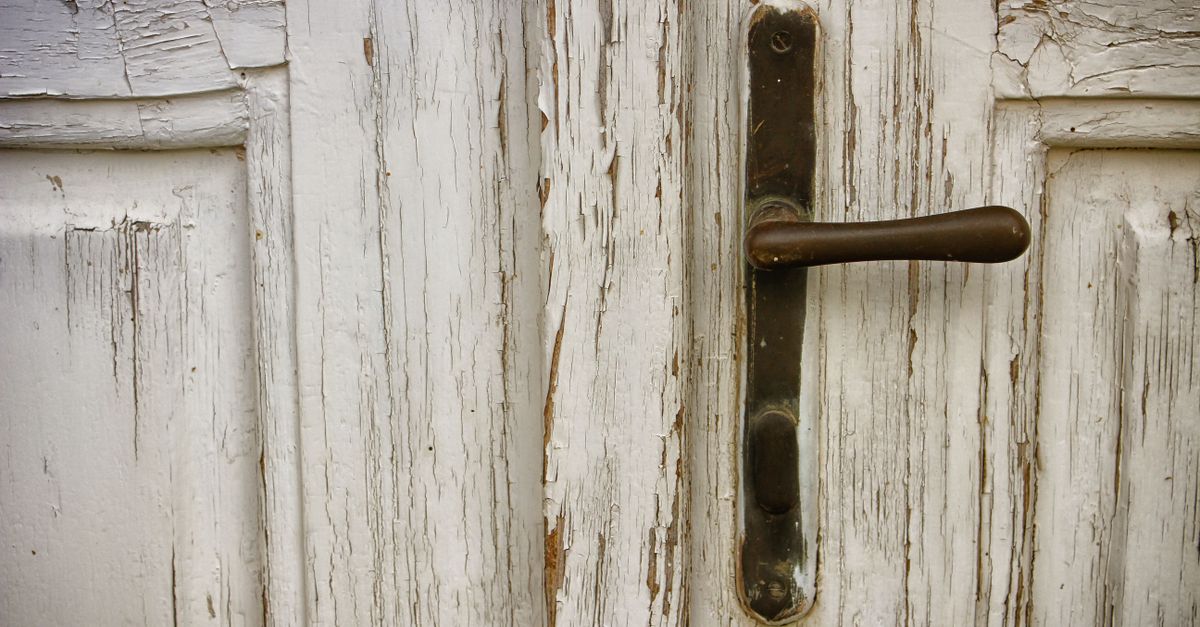
If you own a home along Larchmont Manor, Magnolia Avenue, or any of the tree-lined blocks near the Larchmont train station, there is a reasonable chance your front door is hiding a century of hardware history inside its edge. Many of the village's Tudor, Colonial, and Victorian homes were built in the 1910s through the 1940s — and their original door locks were almost certainly mortise locks, not the cylindrical knob-and-deadbolt combos sold at hardware stores today. Understanding which type of lock you have, what it means for your security, and whether repair or replacement makes more sense can save you time, money, and a frustrating lockout.
This guide is written specifically for Larchmont homeowners who want straight answers. We will walk you through how to identify a mortise lock set on an older door, explain the differences between mortise and cylindrical systems, cover common failure points, and tell you exactly when a skilled locksmith can repair your existing hardware versus when a full swap makes more sense. Whether your door is acting up on a Tuesday afternoon or jammed shut at midnight, Larchmont Locksmith Westchester is a local, insured, 24/7 mobile team ready to help — call 914-670-1446 any time.
## What Is a Mortise Lock — and How Do You Spot One on Your Door?
A mortise lock is a complete locking mechanism housed inside a large rectangular pocket, called a mortise, that is chiseled directly into the door's edge. Unlike a cylindrical lock — which slides a simple bolt through a round bored hole — a mortise lock set contains multiple working parts in a single case: a latch bolt, a deadbolt, a strike plate, trim hardware, and an internal cam mechanism that ties it all together. The result is a robust, integrated unit that older American craftsmen and builders trusted for decades. Brands like Corbin Russwin mortise locks and Baldwin mortise locks became synonymous with high-quality residential and commercial door hardware, and many of those original units are still in service in Westchester homes right now.
To identify one on your own door, look at the face of the door edge when it is open. A mortise lock set will show a tall, narrow metal faceplate — often two to four inches tall — set flush into the wood, compared to the small round faceplate of a cylindrical lock. From the interior, you will typically see a lever or knob set that includes a visible keyhole on both sides, sometimes with a separate thumb-turn for the deadbolt above it. If your door hardware looks like it belongs in a classic film — ornate, solid, and purposefully built — you are very likely looking at a mortise lock. If you are still unsure, do not force the door or probe the mechanism; call a professional locksmith who can identify the lock type visually in seconds.
## Mortise Lock vs. Cylindrical Lock: A Side-by-Side Reality Check
The core practical difference comes down to integration versus modularity. A cylindrical lock (the standard door knob lock or deadbolt sold today) relies on a simple bored hole and a spring-latch or bolt mechanism. It is inexpensive to manufacture, easy to install in new construction, and widely replaceable with off-the-shelf parts. Its weakness is that it occupies a relatively small footprint in the door, and its bolt only engages the door jamb at a single shallow point. A mortise lock, by contrast, runs deep into the door and engages the frame with a more substantial strike. The hardware itself is heavier, the mechanism more complex, and — when properly maintained — the security profile is genuinely better.
Where cylindrical locks win is convenience and parts availability. If a modern deadbolt fails, replacements are plentiful. Mortise lock cylinders and internal components, especially for older Corbin Russwin or Baldwin units, require a locksmith who knows what they are handling. That is not a reason to abandon your original hardware — it is a reason to have the right professional service it. For homeowners weighing a mortise lock set exterior door repair against switching to a cylindrical system, also consider this: retrofitting a modern cylindrical lock onto a mortise-prepped door often requires significant wood filling, new boring, and refinishing. Preserving the original mechanism is frequently the cleaner path, especially on historic Larchmont doors where the wood is irreplaceable old-growth material.
## Common Failure Points — and When Your Locksmith Can Repair Instead of Replace
Old mortise locks fail in predictable ways. The most common issues our team sees on Larchmont service calls include: a stiff or frozen latch that will not retract, a mortise lock cylinder that turns but does not throw the bolt, worn cam slots inside the body that cause the key to spin freely, a faulty thumb-turn mechanism on the interior, and — very commonly — a stripped or broken tailpiece connecting the cylinder to the lock body. Each of these is a repair scenario, not necessarily a replacement scenario. A trained locksmith can disassemble the lock body, clean and re-lubricate the mechanism, replace a worn mortise lock cylinder, re-key the existing hardware, or fabricate a tailpiece on older units that have no direct modern equivalent.
The cases where full replacement makes more sense are rarer but real: a cracked or bent lock body that is structurally compromised, a door edge that has swelled and split around the mortise pocket, or a situation where the homeowner wants to integrate smart mortise lock technology into an older door. Modern smart mortise lock options do exist — several manufacturers now produce smart lock versions engineered to drop into a standard mortise pocket — and a qualified locksmith can advise on compatibility with your specific door and door frame. If you are considering that upgrade, or if your lock has simply reached end-of-life, our team can source and install the appropriate hardware and help you understand the factors that affect your final quote: the specific lock model, door prep work required, any parts that need ordering, time of day, and travel. We confirm an exact price before any work begins — no surprises.
## Emergency Locksmith Situations Involving Older Mortise Locks
A mortise lock failure has a particular way of catching homeowners off guard. Because the mechanism is internal and the failure often gradual — a latch that gets stiffer each week, a key that takes more wiggling each month — people often do not realize how close to failure the lock is until it stops working entirely. That can mean arriving home on a cold Larchmont evening to a door that simply will not open, or leaving for work in the morning only to find the latch will not retract. In an emergency locksmith situation like this, the instinct to force the door or fiddle aggressively with the key is understandable — but it is also the fastest way to break a key off inside the mortise lock cylinder or damage the internal cam, turning a repair into a full replacement.
The right call is to check for a spare key held by a trusted neighbor or family member, try an alternate entrance if one is available, and then contact a professional. As a 24/7 mobile emergency locksmith team serving Larchmont and the surrounding Westchester area, we can typically reach you quickly, identify the failure point, and get your door functioning without damaging the original hardware. Our technicians carry tools and common replacement components for period-appropriate mortise locks, which means many repairs happen on the spot. Call 914-670-1446 the moment you are locked out — we answer every call, day or night.
## Commercial Locksmith Needs and Multi-Family Buildings with Mortise Hardware
Mortise locks are not exclusive to single-family homes. Many of Larchmont's older apartment buildings, mixed-use storefronts along Boston Post Road, and commercial properties converted from historic residences use mortise hardware on common entry doors, unit doors, and office suites. As a commercial locksmith resource for the area, we service these properties regularly — rekeying after a tenant turnover, replacing a worn mortise lock cylinder on a frequently-used entry, installing a master key system across multiple mortise-equipped doors, or advising property managers on whether aging hardware should be serviced or upgraded to meet modern security expectations. If you manage a building with older mortise hardware and have been putting off a service call, a proactive inspection is far less disruptive than an emergency repair when a tenant is locked out of their unit at 2 a.m. Our team works with both residential and commercial clients throughout the Larchmont area and broader Westchester County — the same trained hands, the same 24/7 availability, the same upfront pricing process regardless of the scale of the job.
## Our Full Range of Locksmith Services for Larchmont Area Clients
Beyond mortise lock service, our mobile team handles a wide range of locksmith needs throughout Larchmont and Westchester County. Our services include: residential lockout response, commercial lockout response, automotive lockout response, car key replacement, transponder key programming, key fob replacement and programming, broken key extraction from door locks, broken key extraction from ignition cylinders, door knob lock installation and repair, deadbolt installation and repair, mortise lock cylinder replacement, mortise lock body repair, lock rekeying for homes, lock rekeying for businesses, master key system design and installation, high-security lock upgrades, smart lock installation, smart mortise lock consultation and installation, lock hardware compatibility assessment for historic doors, sliding door lock repair, window lock repair, safe lockout service, padlock removal and replacement, mailbox lock replacement, garage door lock service, access control consultation for small commercial properties, eviction lock change service, and move-in lock rekeying for new Larchmont residents. If your situation is not on this list, call us anyway — if it involves a lock, a key, or a door, our team has almost certainly handled it.
Frequently asked questions
How do I know for sure whether I have a mortise lock or a cylindrical lock?+
Open your door and look at the narrow edge. A mortise lock will have a tall, flat rectangular faceplate — often 2 to 4 inches in height — set flush into the wood. A cylindrical lock has a small, round or oval faceplate. From the interior face of the door, a mortise lock set typically shows a lever or knob integrated with a visible keyhole and often a separate thumb-turn for the deadbolt, all mounted on a single long backplate. If the door is old and the hardware looks solid and ornate rather than simple and modern, a mortise lock is the strong probability. When in doubt, a quick call to our team at 914-670-1446 and a photo sent to us can settle the question immediately.
Can a mortise lock be rekeyed, or does the whole unit have to be replaced?+
In most cases, yes — a mortise lock cylinder can be rekeyed independently of the lock body, just like a standard deadbolt. A trained locksmith removes the cylinder from the mortise case, disassembles it, and replaces the key pins to match a new key. This is a common service after a move, after a lost key, or following a tenant change in a rental property. The only times rekeying is not possible is when the cylinder itself is damaged, when the keyway is so worn that new pins will not seat properly, or when the cylinder is a very old proprietary format with no available replacement pins — in which case a cylinder replacement is the next step, not necessarily a full lock replacement.
My old mortise lock is stiff and hard to operate — is that a repair or a replacement situation?+
Stiffness is almost always a repair situation, not a replacement. The most common causes are dried-out or degraded lubrication inside the lock body (graphite or a dry lubricant is correct for mortise locks — oil-based lubricants attract grime and make things worse over time), a worn or slightly bent tailpiece connecting the cylinder to the cam, or minor corrosion on the moving parts. A locksmith can disassemble the lock body, clean the mechanism, replace any worn internal components, and restore smooth operation in most cases. Forcing a stiff mortise lock with excessive key pressure is the fastest way to snap the tailpiece or shear a key — if yours is feeling reluctant, call for service before it becomes a full emergency.
Is it possible to add a smart lock to an old Larchmont door that currently has a mortise lock?+
Yes, with the right product selection and professional installation. Several manufacturers now produce smart mortise lock models designed to fit into a standard mortise pocket, preserving the original door prep and exterior appearance while adding keypad, app, or key fob access. Compatibility depends on the size of your existing mortise pocket, the door thickness, and the backset measurement. A locksmith familiar with both historic hardware and modern smart lock options can assess your specific door and recommend a compatible unit. Factors like door prep condition, any additional wiring or battery requirements, and the specific smart lock model will all affect the scope of the installation — we walk through all of that with you and confirm a firm price before starting any work.