How Transponder Key Programming Actually Works
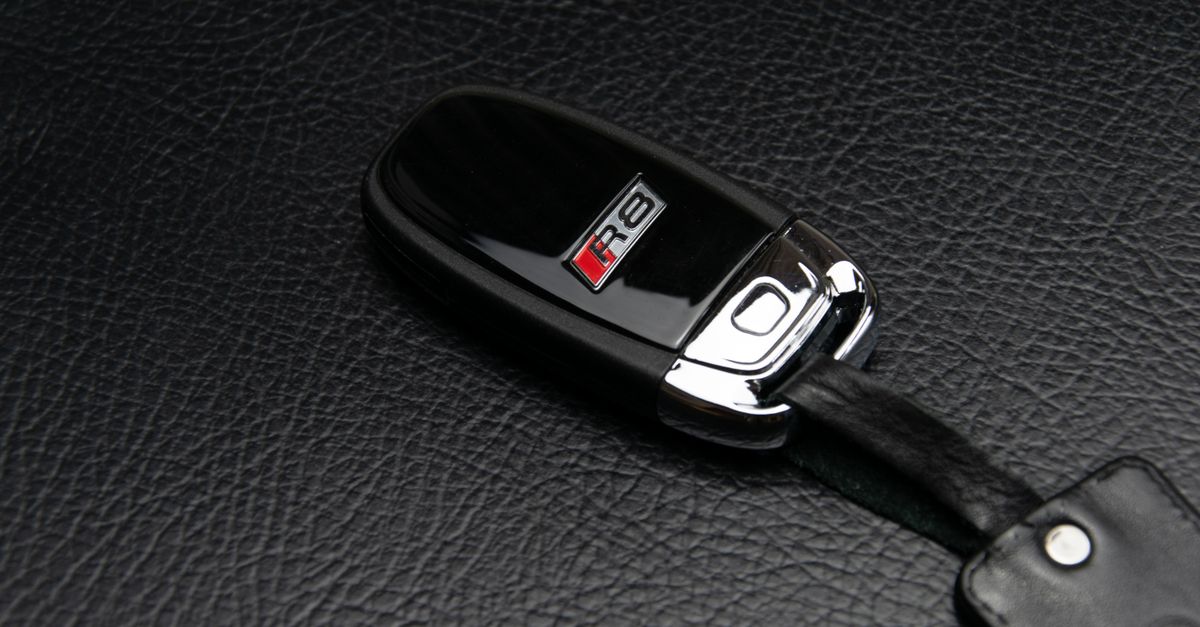
Every transponder key contains a small radio-frequency identification chip sealed inside the plastic head. When you insert the key and turn the ignition, the car's antenna ring reads the chip's unique code. If the code matches what is stored in the vehicle's Engine Control Module, the immobilizer disarms and the engine starts. If the code is absent, corrupted, or simply never written — as is the case with a freshly cut blank — the immobilizer stays active and the engine refuses to crank. This is a deliberate theft-deterrent design found in the vast majority of vehicles sold since the mid-1990s.
Programming a chip key is not the same as simply cutting the blade to fit the lock cylinder. It requires connecting to the vehicle's onboard diagnostic port or using a standalone key programmer to write the correct transponder code, then verifying that the immobilizer accepts the new key. Some vehicles also require that all previously programmed keys be re-synced at the same time, a step that is easy to overlook but critical to avoid being locked out again later. Our technicians understand these model-specific procedures and follow them carefully for every job.