What Goes Wrong With a Door Knob Lock — and When Replacement Beats Repair
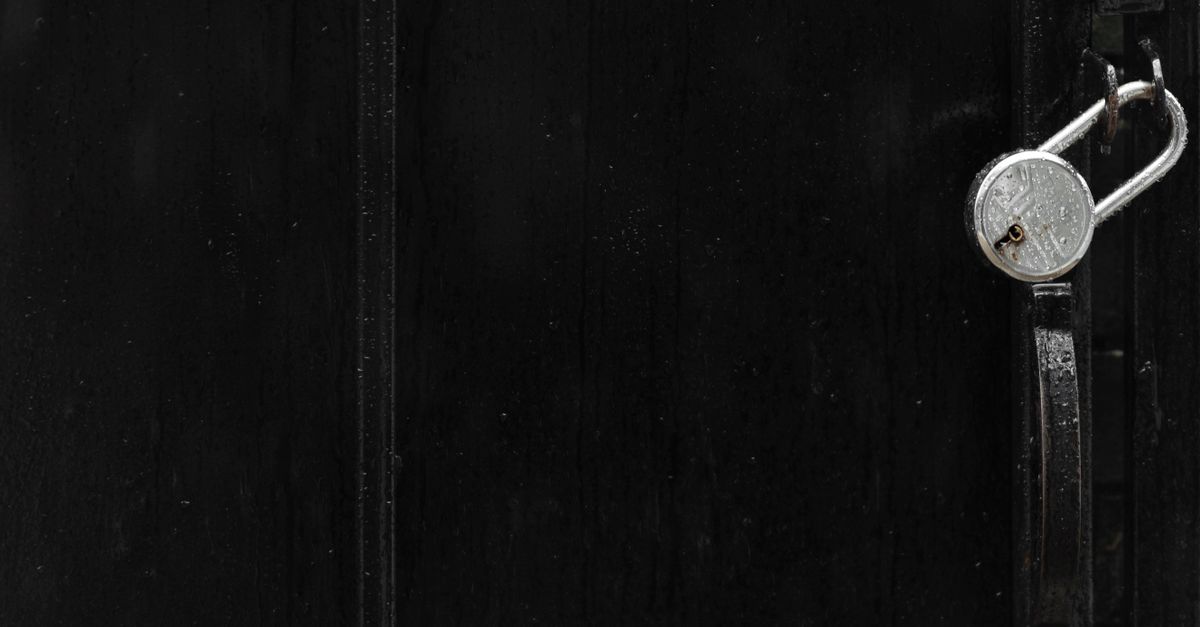
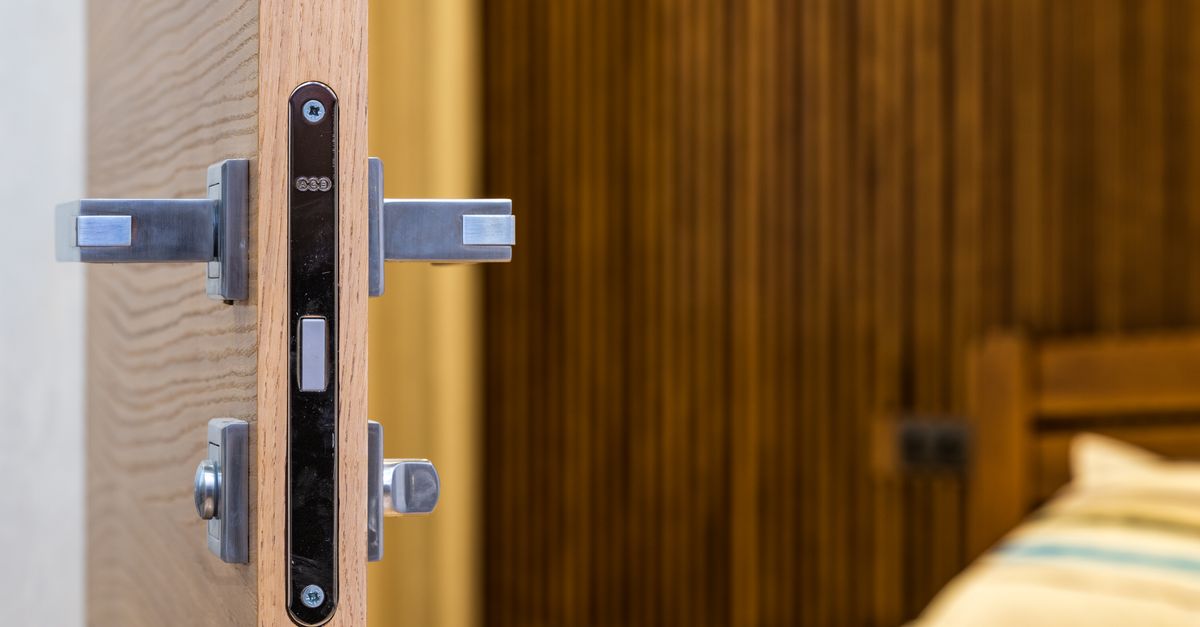
A door knob with lock can fail in several distinct ways, and the right response depends on the failure mode. A spinning knob with no resistance usually means the set screw has backed out or the spindle has sheared inside the chassis — often repairable on the spot. A key that turns but the latch does not retract points to a worn cam or a broken tail-piece inside the cylinder, which typically means replacing the cylinder or the full knob set. Corrosion, a common problem on Larchmont properties close to the Long Island Sound where salt air accelerates metal fatigue, can freeze the plug so completely that no amount of lubrication saves it. In that situation, a full door knob lock replacement is the cost-effective path forward.
Exterior knob sets on rental properties, home offices, and small commercial suites on Boston Post Road also wear faster than interior sets because they see more daily cycles and exposure to weather. Our technicians assess the door prep — the diameter of the bore hole, the backset measurement, the strike plate condition, and whether the door is solid core or hollow core — before recommending a replacement grade. Upgrading to a higher-security knob with lock and key at that point costs little extra in labor and delivers meaningfully better protection.