Larchmont Locksmith Westchester Service Team
Local locksmith team
Jul 22, 2026 9 min read
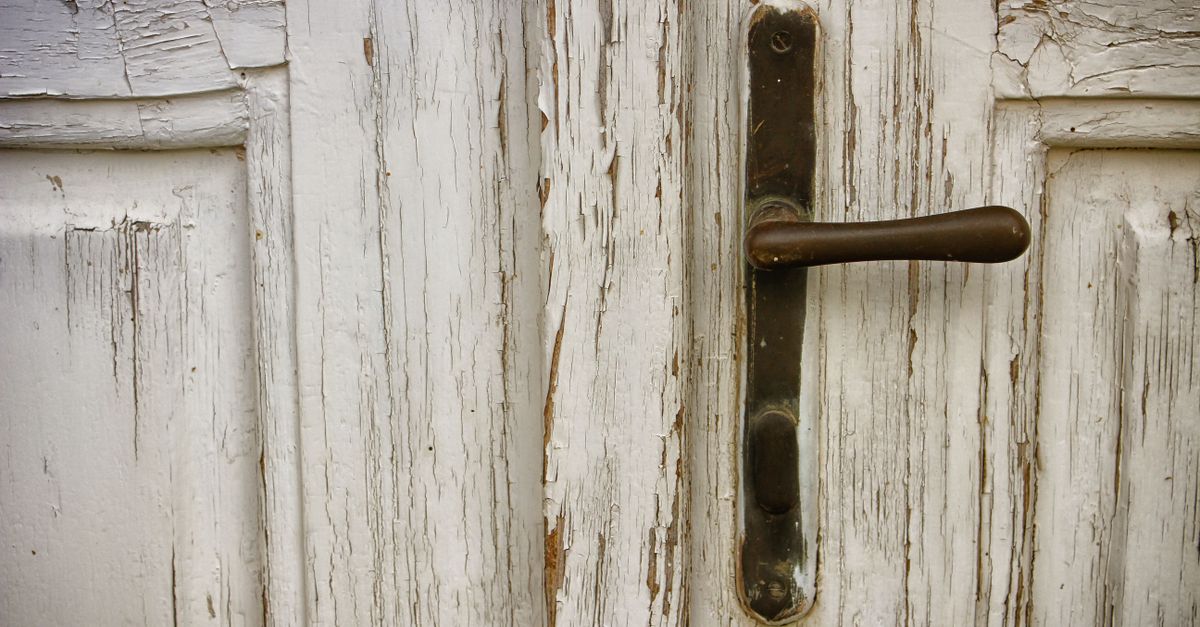
Most homeowners in Larchmont don't think twice about a door knob lock — until the morning it sticks, spins freely, or simply refuses to latch. By the time a lock fails completely, the window of vulnerability is already open. The good news is that a failing knob lock almost always gives you warning signs before it gives out entirely, and catching them early means you can upgrade on your schedule rather than in a panic.
This guide walks you through exactly what to watch for, what those symptoms mean structurally, and how replacing a standard door knob with lock — ideally stepping up to a deadbolt or mortise lock — dramatically raises the security of your home. Whether you're on Larchmont Avenue, near the Manor train station, or tucked into one of the neighborhood's classic Tudor-style homes, the same principles apply. When in doubt, call 914-670-1446 and our team will assess the situation same-day, any hour.
## Warning Signs Your Door Knob Lock Is Telling You Something Is Wrong
A door knob lock is a spring-latch mechanism at its core — simpler and more exposed than a deadbolt or mortise lock, which means it also wears out faster. The first sign homeowners notice is a sticky or stiff knob that requires extra force to turn. This usually means the internal cam or spindle is worn, or the latch bolt has become misaligned with the strike plate. A second-generation symptom is a knob that turns but feels loose or 'mushy' — the set screw holding the rose plate may have backed out, or the internal chassis is cracked. Neither condition should be ignored.
Other red flags include a latch that no longer clicks fully into the strike plate (leaving a gap you can feel when you push the door), a keyway that wobbles when you insert your key, or a key that has suddenly become difficult to turn even though you haven't changed anything. Each of these points to internal wear. Locksmiths who work with mortise lock hardware regularly will tell you the same thing: a door knob with lock and key that shows two or more of these signs simultaneously is statistically close to a complete failure. Larchmont's older housing stock, some of it dating to the early 1900s, is especially prone to this because original hardware was often never replaced.
## Why a Standard Door Knob Lock Is Not Your Best Security Option
Here's the uncomfortable truth that most homeowners discover only after a break-in attempt: a knob lock is one of the easiest lock formats for a burglar to defeat — not through picking, but through brute force. The latch bolt is spring-loaded and angled, which means lateral pressure or a sharp kick can pop it free of the strike plate without any tool. Security researchers consistently rate knob locks as entry-level at best, suitable mainly as a secondary latch rather than a primary barrier.
A deadbolt, by contrast, throws a full inch of hardened steel into the door frame. A mortise lock goes further still — it is set directly into the door body, integrating a deadbolt, latch, and sometimes an additional security pin into a single fortified unit. For any Larchmont home where the knob lock is the only thing standing between your family and the outside, upgrading is not optional — it is overdue. Our team installs and services mortise lock hardware on both residential and commercial properties throughout the area, and we carry the hardware on our mobile units so the job is typically completed in one visit.
## What Happens When You Call for a Door Knob Lock Replacement (Step by Step)
When you call 914-670-1446, a trained technician arrives at your door — not a dispatcher sending someone hours later. The first thing we do is assess the current door knob lock and the surrounding door frame condition. A worn lock in a compromised frame is a two-part problem, and fixing only the hardware without addressing a split or soft frame jamb leaves you no more secure than before. We check strike plate depth, door alignment, and whether the existing prep hole is compatible with the new hardware you've selected.
From there, we remove the old knob lock set, clean the bore and latch pocket, and install the replacement. If you're upgrading to a deadbolt, we bore the new hole above the existing knob prep — a standard 2-3/8 or 2-3/4 inch backset depending on your door. For a mortise lock, the process involves routing a rectangular pocket into the door edge, which requires precision equipment our mobile units carry. We then test the throw, adjust the strike plate for a flush catch, and confirm the lock operates smoothly before we leave. The entire job — from arrival to working lock — typically takes under an hour for a straightforward swap. Before we begin any work, we confirm the exact price up-front so there are no surprises. Final pricing depends on the lock type selected, the condition of the existing door prep, parts required, and the time of service.
## Rekeying vs. Replacing: Knowing Which One You Actually Need
Homeowners often ask about how to rekey a lock versus replacing it entirely. Rekeying means a technician reconfigures the internal pin tumblers so your old key no longer works and a new key does — the lock hardware stays in place. This is the right call when the lock mechanism is still structurally sound but you've moved into a new home, lost a key, or had a contractor or tenant who had access and no longer should. Rekeying is faster and requires no new hardware. Many Larchmont homeowners do this when they move into one of the area's older single-family homes and have no idea how many copies of the existing key are floating around.
Replacement is the right choice when the lock itself is failing — worn tumblers, damaged chassis, stripped spindle — or when you're upgrading to a higher-security format. Some clients also ask about how to change code on keypad door lock systems they already have installed; that's a different process (usually a sequence entered on the keypad per the manufacturer's instructions), but if the keypad's motor or circuitry is failing, replacement is usually more cost-effective than repair. Our team handles both rekeying and full hardware replacement, and we carry Schlage and Kwikset-compatible cylinders on our mobile units so rekeying can typically be completed on the first visit.
## Upgrading to a Mortise Lock: The Commercial-Grade Option for Residential Doors
If you've ever pushed open the door to a well-built office building or older New York apartment and noticed the lock feels entirely different — heavier, more deliberate — you've probably encountered a mortise lock. Unlike a bored cylindrical lock (the standard prep for a knob lock or deadbolt), a mortise lock is set into the door body itself. This makes it vastly more resistant to forced entry because there is no exposed mounting plate to shear and no shallow strike plate bolt to defeat. The mechanism is enclosed in steel on three sides by the door material itself.
Mortise locks are increasingly popular with Larchmont homeowners who want commercial-grade security on a residential door, and they pair especially well with the solid wood doors found throughout the Manor neighborhood's older homes. As a commercial locksmith team that also serves residential clients, we install and service mortise lock hardware on everything from single-family front doors to multi-unit entry points and retail storefronts. If your current door knob lock is positioned on a door that sees heavy daily use — a rear entry, a mudroom door, or a rental unit — a mortise lock is an investment that typically outlasts multiple generations of standard hardware. If you're weighing your options and not sure which format fits your door and your budget, call us at 914-670-1446 for a no-obligation walkthrough of what makes sense for your specific situation. We answer 24/7.
Frequently asked questions
Can I just tighten a loose door knob lock myself instead of replacing it?+
Sometimes, yes. If the set screw on the rose plate has simply backed out, tightening it with a small hex key or Phillips screwdriver can restore the knob's stability temporarily. However, if the looseness comes from a cracked internal chassis, a worn spindle, or a stripped screw hole in the door, tightening is a short-term fix at best. A technician can tell the difference in about two minutes. If the knob lock is also showing latch alignment problems or a sticky keyway alongside the looseness, replacement is almost always the more reliable path.
My key is suddenly very hard to turn in my door knob lock — is that a sign it needs to be replaced?+
A stiff key is one of the clearest early warnings of a lock nearing the end of its service life. Internal pin springs weaken over time, allowing the pins to bind instead of riding smoothly. Debris or dried lubricant can compound the problem. First, try a graphite-based dry lubricant sprayed into the keyway — not WD-40, which can attract gunk over time. If the stiffness persists or the key turns but the latch doesn't retract cleanly, the mechanism has likely worn past the point where lubrication helps. At that stage, rekeying or replacing is the right next step.
Is there anything I can do if I'm locked out before a locksmith arrives — like trying to pick the lock myself?+
We understand the frustration of a lockout, but attempting to pick or force a lock without training typically causes more damage to the lock and door than the lockout itself, and it can make the technician's job harder and potentially more involved. The most useful things to do while you wait: check all other entry points (back door, garage access, a window you left unlocked), contact a family member or neighbor who may have a spare key, and stay somewhere safe and out of the weather if needed. Our emergency locksmith team is mobile and available around the clock — calling 914-670-1446 is almost always the fastest path to getting back inside safely, with no damage to your door.
How do I know whether to rekey my lock or replace it completely after moving into a new home?+
The standard recommendation after any change of occupancy is to rekey at minimum — this ensures that previous owners, their contractors, real estate agents, or anyone else with a copy of the old key no longer has access. Rekeying is faster and requires no new hardware, making it a practical first step. If the existing lock is a basic knob lock and you want to upgrade security at the same time, replacing with a deadbolt or mortise lock accomplishes both goals in one visit. Our team can assess the hardware during the rekeying appointment and give you a straight opinion on whether the existing lock is worth keeping or whether replacement makes more sense for your situation.