
Home security begins with understanding the fundamentals of lock safety and knowing how to protect your property effectively. As a homeowner in Larchmont, you face unique security challenges that require both preventive measures and smart decision-making. Whether you're moving into a new home, upgrading your current security system, or simply want to ensure your family's safety, implementing proper locksmith safety practices is essential. This comprehensive guide will walk you through critical safety tips that every homeowner should know to keep their property secure and avoid common pitfalls.
Invest in High-Quality Locks
Not all locks are created equal, and the quality of your locks directly impacts your home's security. Cheap, builder-grade locks may seem adequate, but they often provide minimal protection against determined intruders.
What makes a high-quality lock? Look for locks with these features:
- Grade 1 ANSI certification - the highest residential security rating
- Hardened steel bolts that resist sawing and cutting
- Anti-pick pins that make lock picking extremely difficult
- Drill-resistant cylinders to prevent forced entry
- Smart lock technology with encryption for keyless entry systems
What Type of Door Lock Cannot Be Picked?
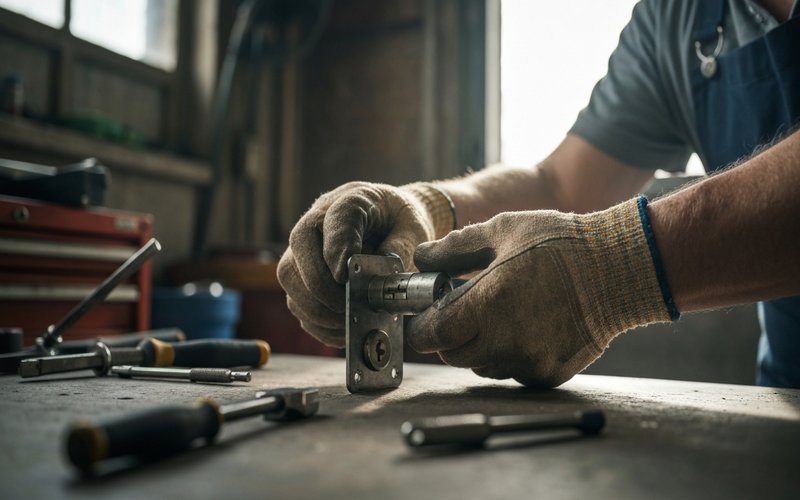
While no lock is 100% pick-proof, certain locks are virtually impossible to pick without specialized tools and extensive training. Disc detainer locks, magnetic locks, and electronic locks with no physical keyway cannot be picked using traditional methods. High-security locks with sidebar mechanisms and rotating discs also provide exceptional pick resistance. For maximum security, consider installing a combination of lock types on your main entry points.
Regularly Change Locks
One of the most overlooked safety practices is changing your locks at appropriate intervals. Many homeowners never change their locks after moving in, leaving their property vulnerable to previous owners, contractors, or anyone who may have obtained keys over the years.
When should you change your locks?
- Immediately after purchasing a home - you never know how many copies of keys exist
- Following a break-in or attempted break-in - assume your security has been compromised
- After losing your keys - better safe than sorry
- When a relationship ends - if an ex-partner has keys to your home
- After firing service providers - such as housekeepers, contractors, or property managers
- Every 5-7 years as preventive maintenance - locks wear out and become easier to manipulate
Secure All Entry Points
Your front door might have a deadbolt, but what about your back door, garage entrance, or basement windows? Burglars often target the weakest point of entry, which is frequently not the main door.
Comprehensive entry point security checklist:
- Install deadbolts on all exterior doors (minimum 1-inch throw)
- Reinforce door frames with strike plates secured by 3-inch screws
- Secure sliding glass doors with blocking bars and auxiliary locks
- Install window locks on all ground-floor and accessible windows
- Upgrade garage door openers with rolling code technology
- Consider security film on vulnerable glass panels
- Install door viewers (peepholes) to identify visitors before opening
Choosing a Reputable Locksmith Before You Need One
One of the biggest mistakes homeowners make is waiting until an emergency to find a locksmith. Rushing to choose a service provider during a lockout or security crisis makes you vulnerable to scams and poor service.
How to find a trustworthy locksmith in advance:
- Research local, established businesses with physical addresses in your area
- Verify licensing and insurance (New York requires locksmith licensing)
- Read reviews on multiple platforms, not just the locksmith's website
- Ask neighbors and friends in Larchmont for recommendations
- Save contact information in your phone before you need it
- Request quotes and compare pricing structures
Red Flags: Identifying Locksmith Scams
Unfortunately, locksmith scams are prevalent, particularly in emergency situations. Be aware of these warning signs:
- No physical address or local presence - just a call center
- Unusually low quotes - that drastically increase once work begins
- Unmarked vehicles - legitimate locksmiths have branded vans or cars
- Demands for cash payment only - reputable businesses accept multiple payment methods
- Insistence on drilling or replacing locks - when rekeying would suffice
- Unable to provide identification or credentials - always ask for ID
Questions to Ask Before Hiring a Locksmith
Before committing to any locksmith service, ask these essential questions:
1. What is your physical business address? 2. Can you provide a detailed written estimate before starting work? 3. Are you licensed, bonded, and insured in New York? 4. How long have you been serving the Larchmont area? 5. What payment methods do you accept? 6. Do you charge trip fees or service call fees? 7. What is your warranty or guarantee policy?
Key Control: Managing Who Has Access
Effective key control means knowing exactly who has access to your home at all times. Poor key management is one of the most common security vulnerabilities homeowners face.
Implement these key control practices:
- Maintain a log of who has keys to your home
- Use restricted keyways that prevent unauthorized duplication
- Never label keys with your address or identifying information
- Avoid hiding spare keys in obvious outdoor locations
- Consider keyless entry systems that track access
- Provide temporary codes or keys to service providers, then change them
- Install master key systems for complex access needs
Why Put a Rubber Band on a Doorknob When You're Alone?
This viral safety tip suggests placing a rubber band over the doorknob when home alone so it cannot latch properly, alerting you if someone tries to enter. However, this actually makes your home LESS secure by preventing the door from locking properly. Instead, use a door security bar, smart lock with alerts, or door alarm that notifies you of entry attempts while maintaining your lock's integrity.
Install a Security System
Modern security systems complement quality locks by adding multiple layers of protection. Integration between physical security (locks) and electronic security (alarms, cameras) creates a comprehensive defense.
Security system components to consider:
- Motion-sensor lighting for all exterior areas
- Video doorbell cameras to screen visitors
- Window and door sensors with instant alerts
- Smart locks that integrate with your security system
- Glass break sensors for vulnerable windows
- Professional monitoring services for 24/7 protection
Maintaining Your Locks for Optimal Security
Even the best locks require maintenance to function properly. Neglected locks become easier to pick, more likely to malfunction, and can fail when you need them most.
Lock maintenance schedule:
- Monthly: Clean locks with compressed air to remove debris
- Quarterly: Lubricate locks with graphite powder (never oil)
- Annually: Have a professional inspect all locks for wear
- As needed: Tighten loose screws and hardware
- Watch for: Keys that stick, difficulty turning, or loose cylinders
When to Upgrade Your Home Security
Technology and security standards constantly evolve. Locks that were considered secure ten years ago may no longer provide adequate protection.
Signs it's time for a security upgrade:
- Your locks are over 10 years old
- You've experienced a break-in or security incident in your neighborhood
- You're installing a smart home system
- Your current locks show signs of wear or damage
- You want remote access and monitoring capabilities
- Insurance companies offer discounts for security improvements
Need Professional Locksmith Help in Larchmont?
Implementing these locksmith safety tips significantly improves your home's security, but professional expertise ensures everything is installed and maintained correctly. Whether you need to rekey locks after moving in, upgrade to high-security hardware, or receive a comprehensive security assessment, working with an established local locksmith provides peace of mind.
At Larchmont Locksmith Westchester, we've been serving homeowners throughout Larchmont and the surrounding Westchester County area with honest, professional locksmith services. Our team stays current with the latest security technology and best practices to protect your family and property. We provide upfront pricing, rapid response times, and quality workmanship backed by our satisfaction guarantee.
Don't wait for a security emergency to address your home's vulnerabilities. Contact us today to schedule a security consultation or to discuss upgrading your locks. Our experienced technicians are ready to help you implement these safety tips and ensure your home has the protection it deserves. Visit us at 155 Larchmont Ave, Larchmont, NY 10538, or call us to speak with a locksmith professional who understands the unique security needs of Larchmont homeowners. Your safety is our priority.