
Why Car Keys Snap — and Why the Vehicle Type Matters
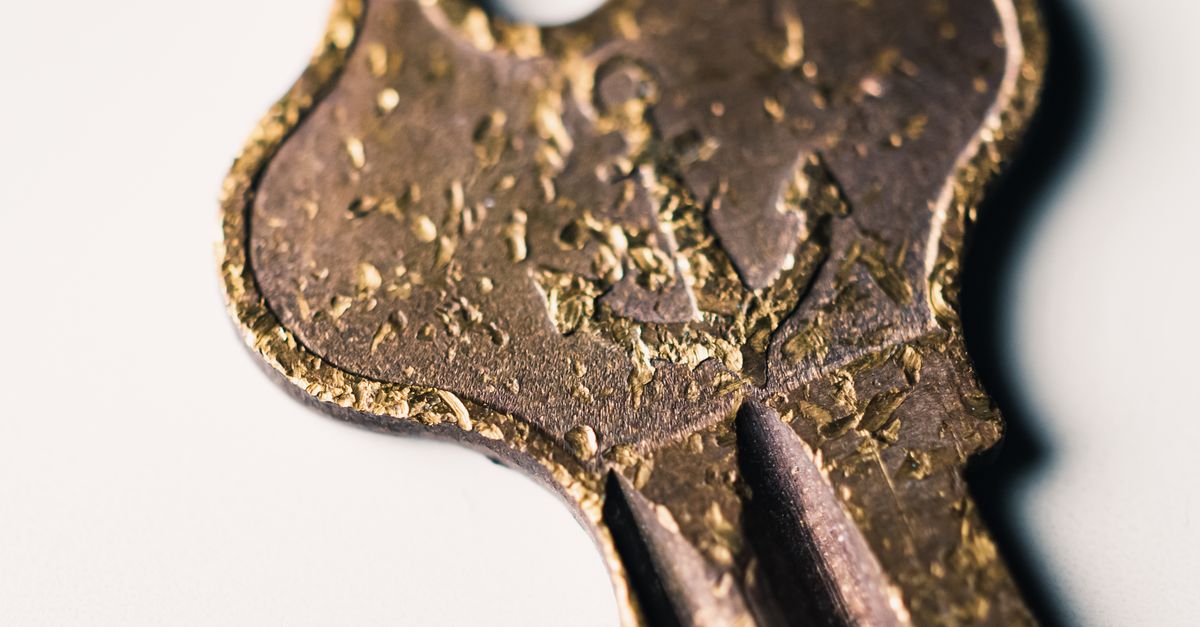
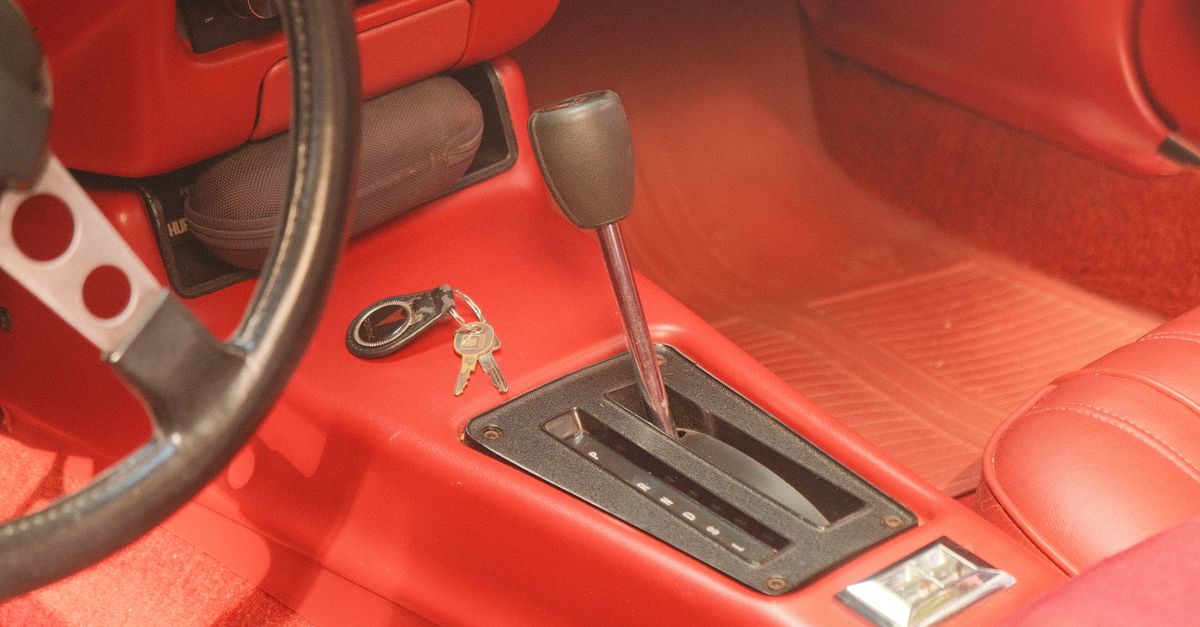
Car keys break for several reasons: metal fatigue from years of daily use, a worn or binding lock cylinder that puts extra torque on the key, attempting to use the wrong key, or simply a key that was already cracked or bent. Transponder keys and laser-cut high-security keys are thicker and more rigid than traditional keys, which means when they break, the fragment tends to sit deeper in the cylinder and can be harder to grip. Older vehicles with simpler door knob lock or barrel-style mechanisms may allow a cleaner extraction, while modern ignition switches with anti-tamper collars require more specialized tools. The vehicle make, model, and year all affect how the job is approached, and our technicians assess each situation individually before choosing a method.
The position of the fragment matters just as much as the key type. A piece broken flush at the cylinder face is approached very differently from one lodged a centimeter or more inside the tumbler stack. In some cases the cylinder itself has been damaged by the break or by a prior DIY attempt — bent pins, scored walls, or a jammed plug can turn a straightforward extraction into a cylinder replacement. Our goal is always damage-free removal where possible, but we will always give you an honest assessment and a clear explanation of what the job requires before we begin.